
A Unique Museum Display Solution: Designing for Lizzadro’s 1929 Jade Screen
Most display case projects start with a fairly straightforward ask: protect the object, present it well, and stay out of its way. The Lizzadro Museum of Lapidary Art in Oak Brook, Illinois came to us with something considerably more layered than that. What followed was one of the more technically interesting builds our team has taken on, and a clear example of how far custom museum display cases can go when the right fabrication partner is involved.
It also wasn’t the first time we had worked together. Lizzadro had previously commissioned a series of smaller L-shaped display cases for their entryway, so when a more complex challenge came up, they knew who to call.
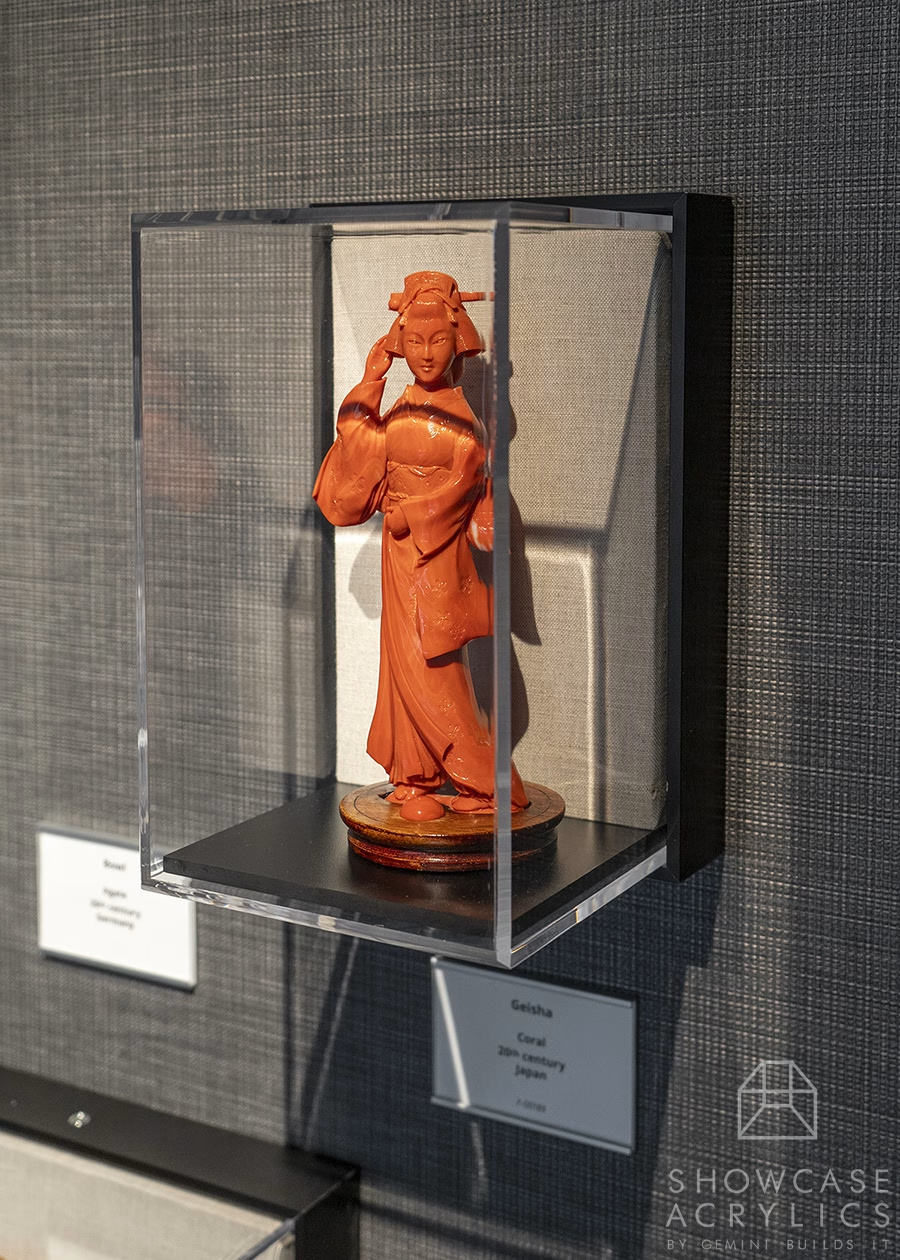
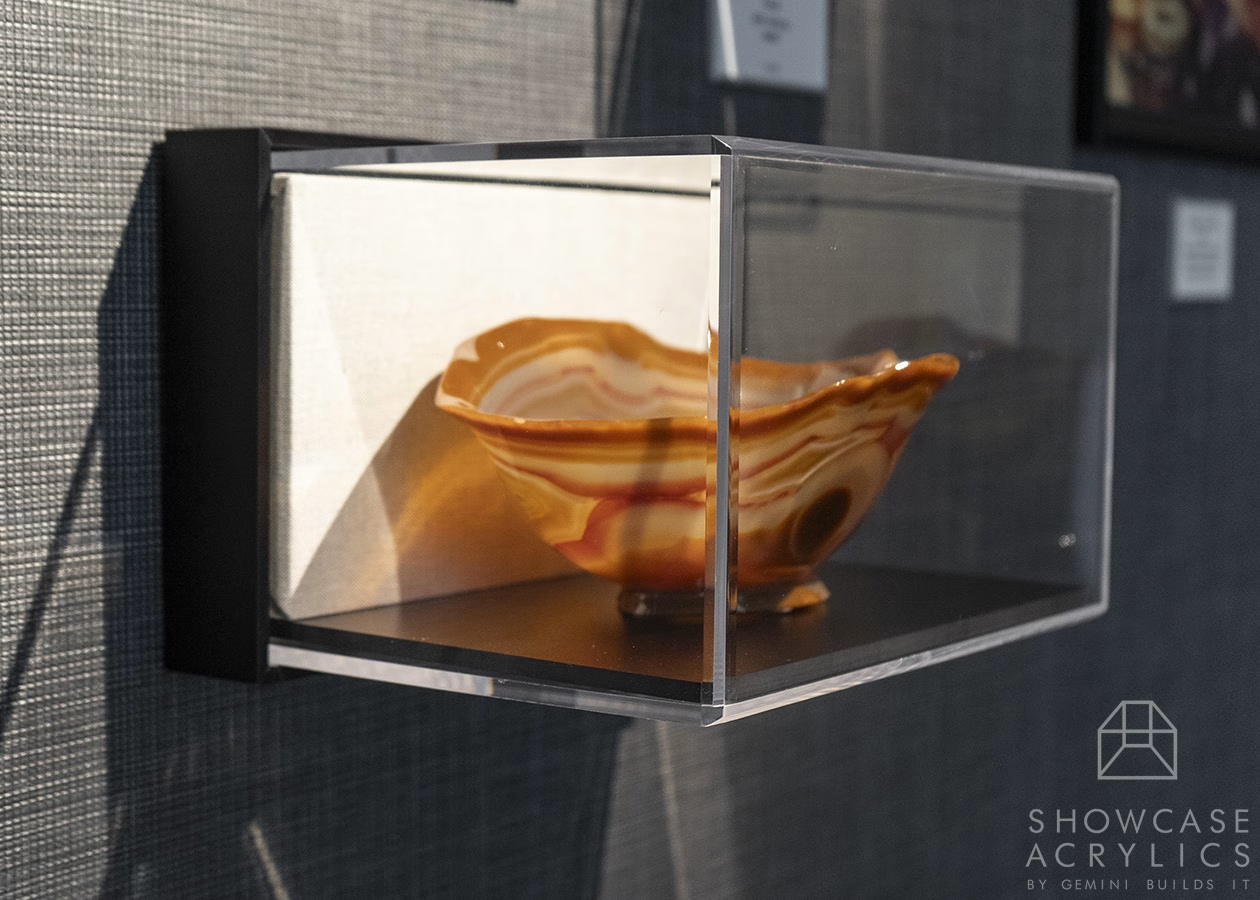
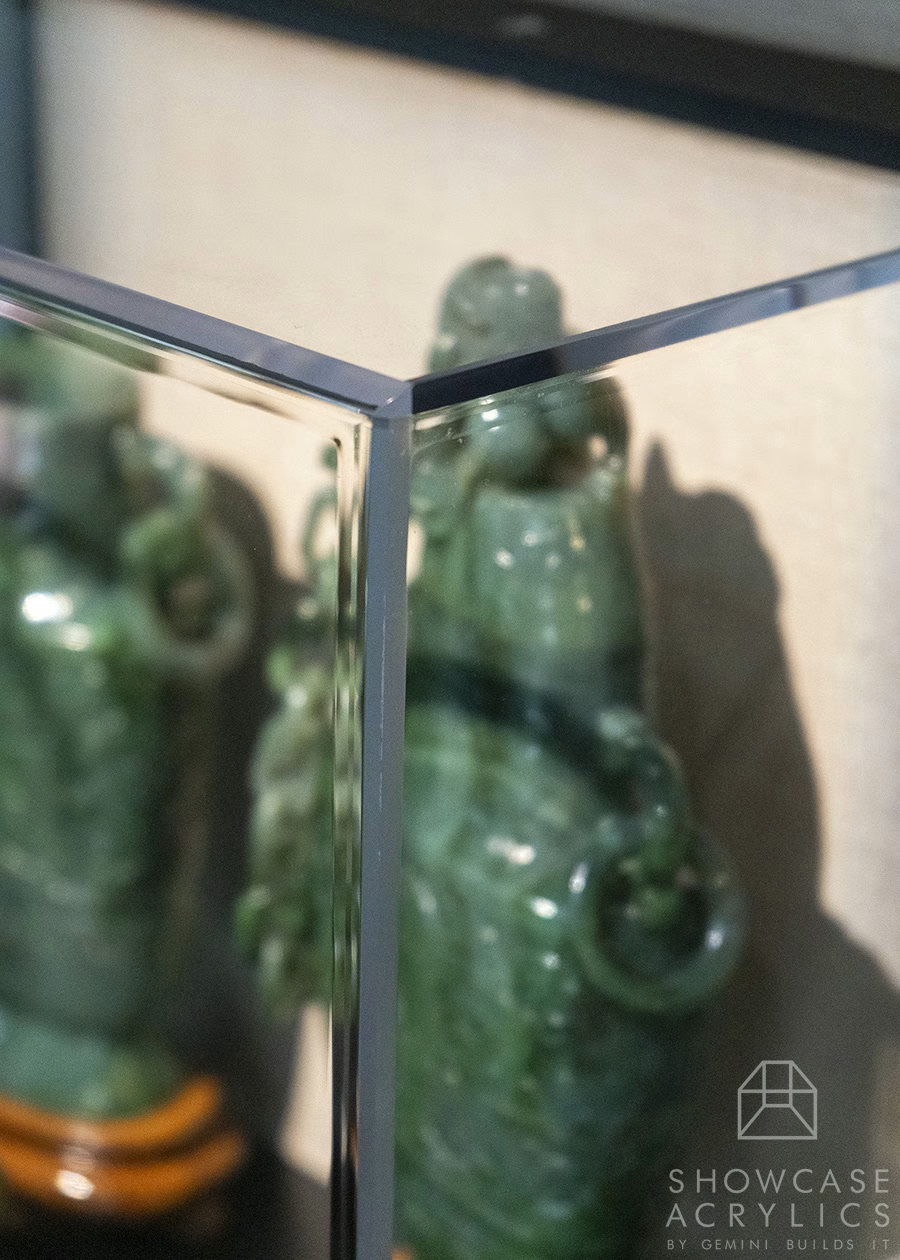
designed around what’s inside
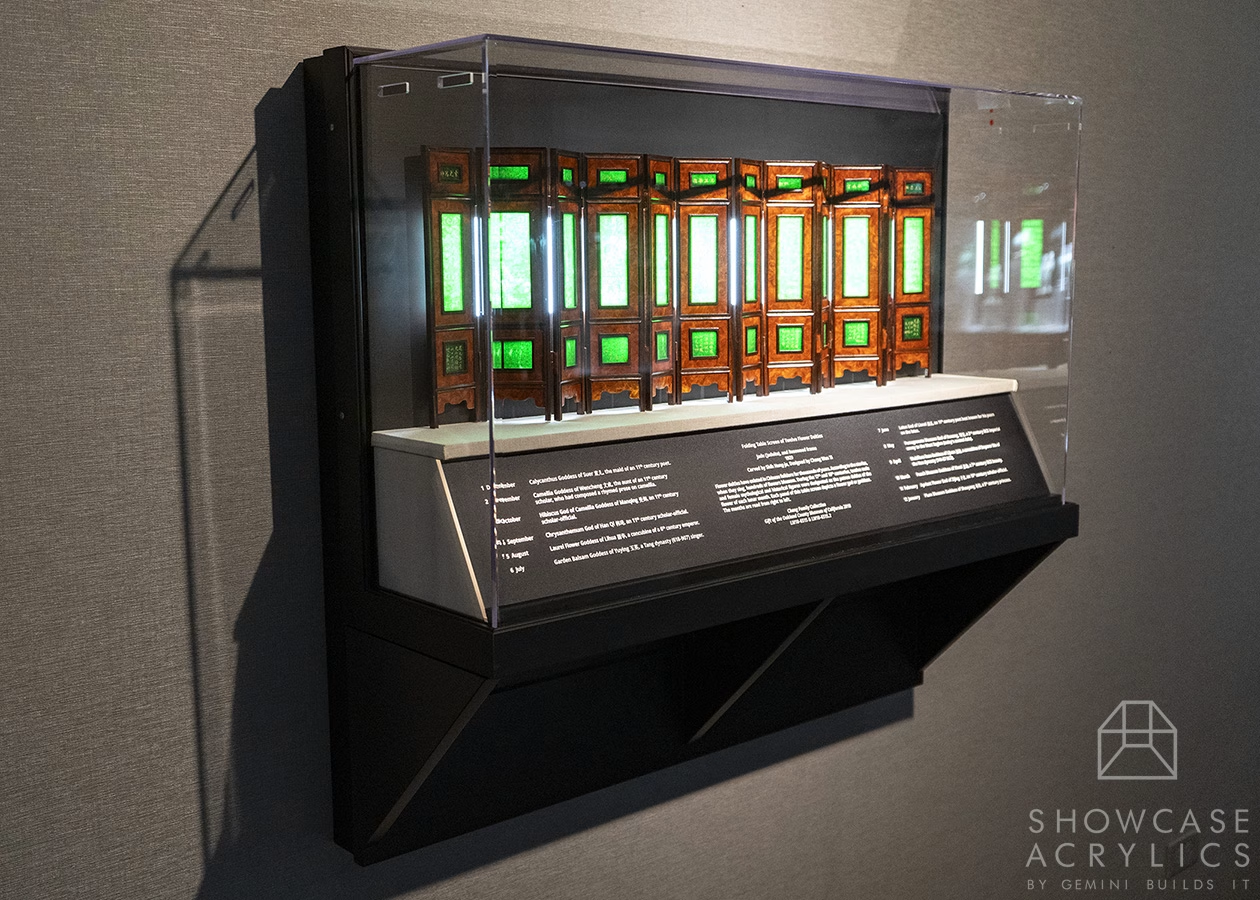
The piece at the center of this project is a Folding Table Screen of Twelve Flower Deities, an extraordinary work in jade and rosewood from 1929, carved by Shih Hong-Ju and designed by Chang Wen Ti. Translucent jade is a material that changes entirely depending on how it is lit. Display it against a flat wall in ambient light, and you see the surface. Backlight it, and the stone comes alive. The museum understood this, and they came to us with a specific lighting panel they had already sourced, designed to do exactly that.
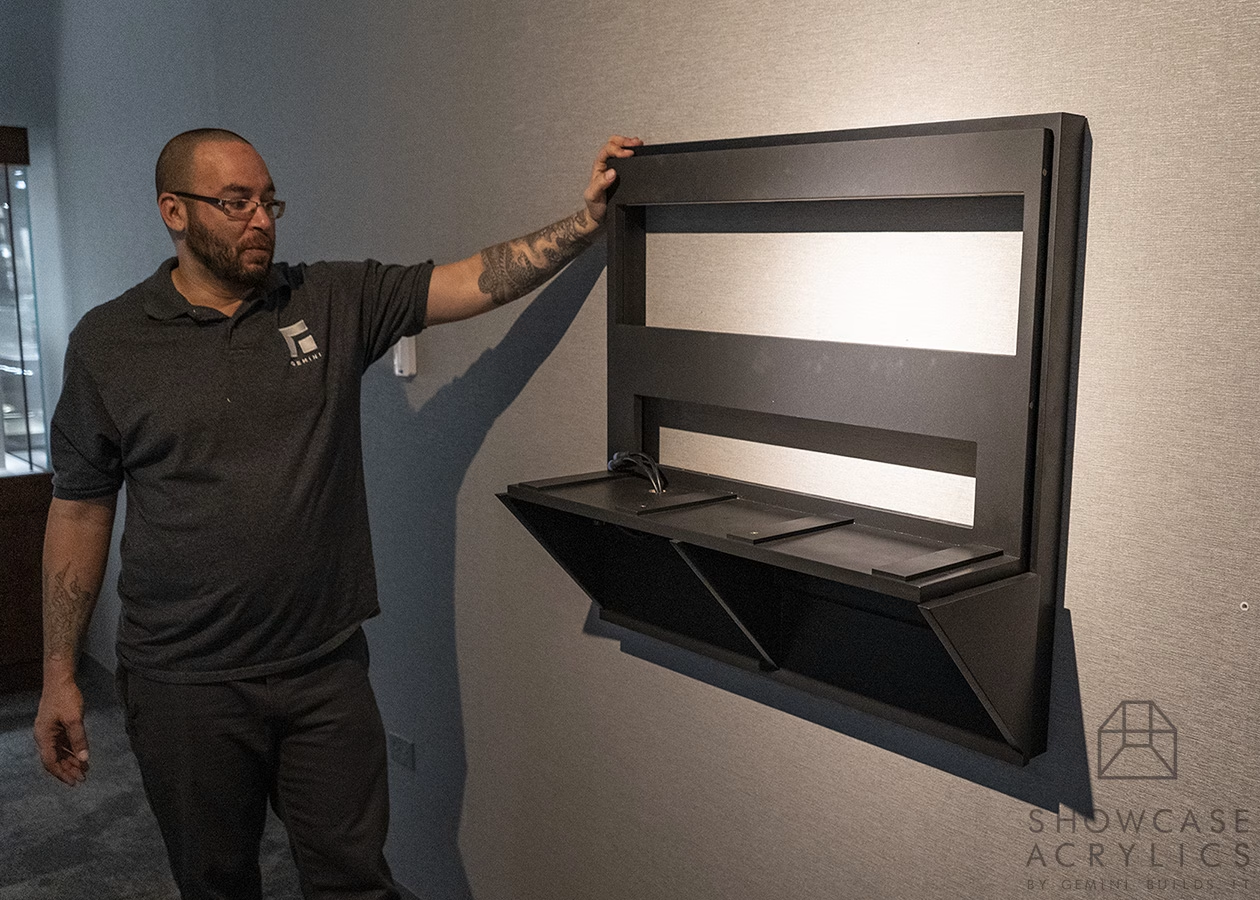
The challenge was building a wall-mounted case that could integrate their panel seamlessly while protecting the piece, elevating it for viewing, and managing everything quietly behind the scenes.
a riser that does more than lift
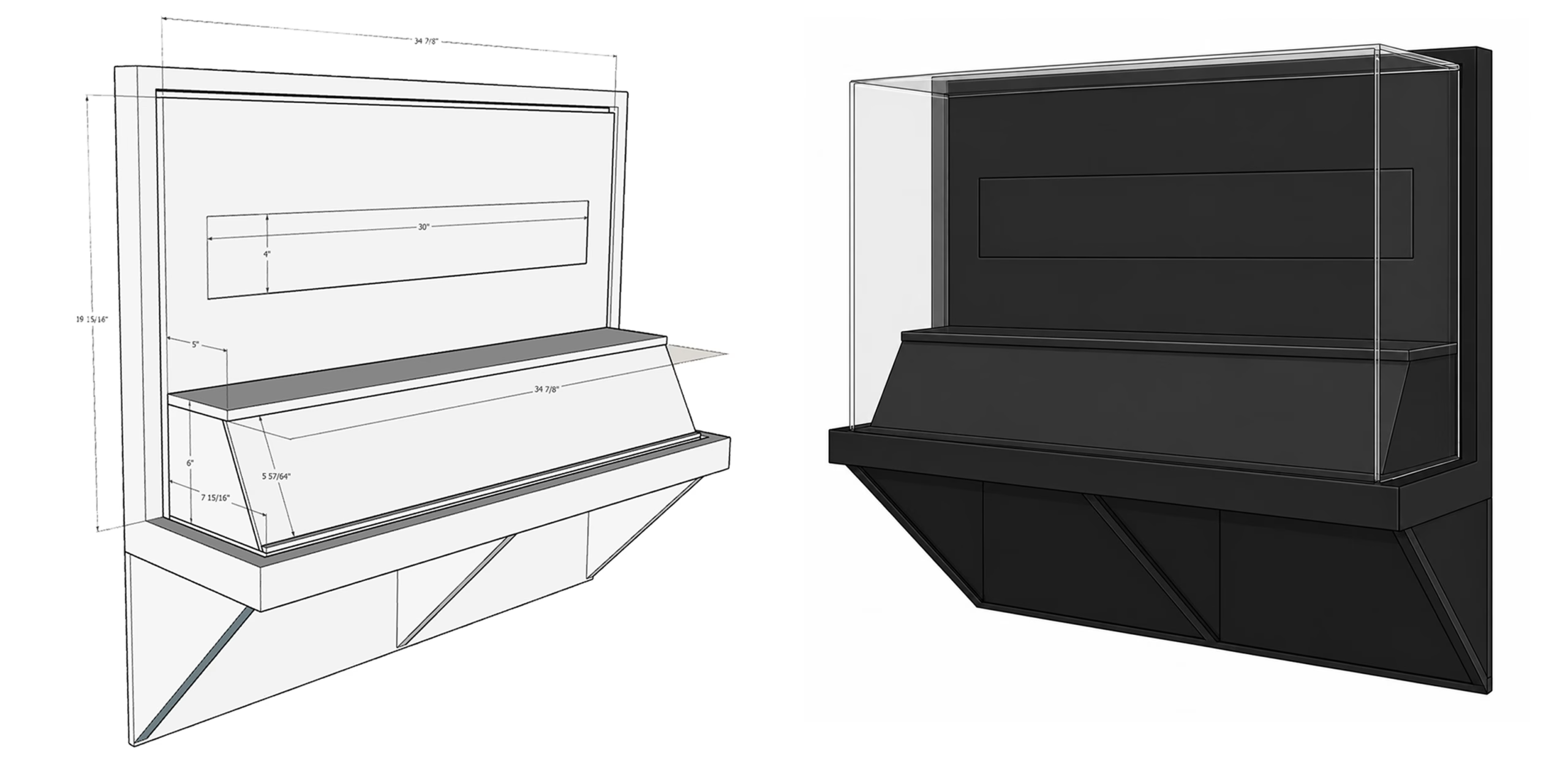
From the start, the museum wanted a custom riser inside the case to elevate the screen and position it properly within the display. That was straightforward enough. What came next was not.
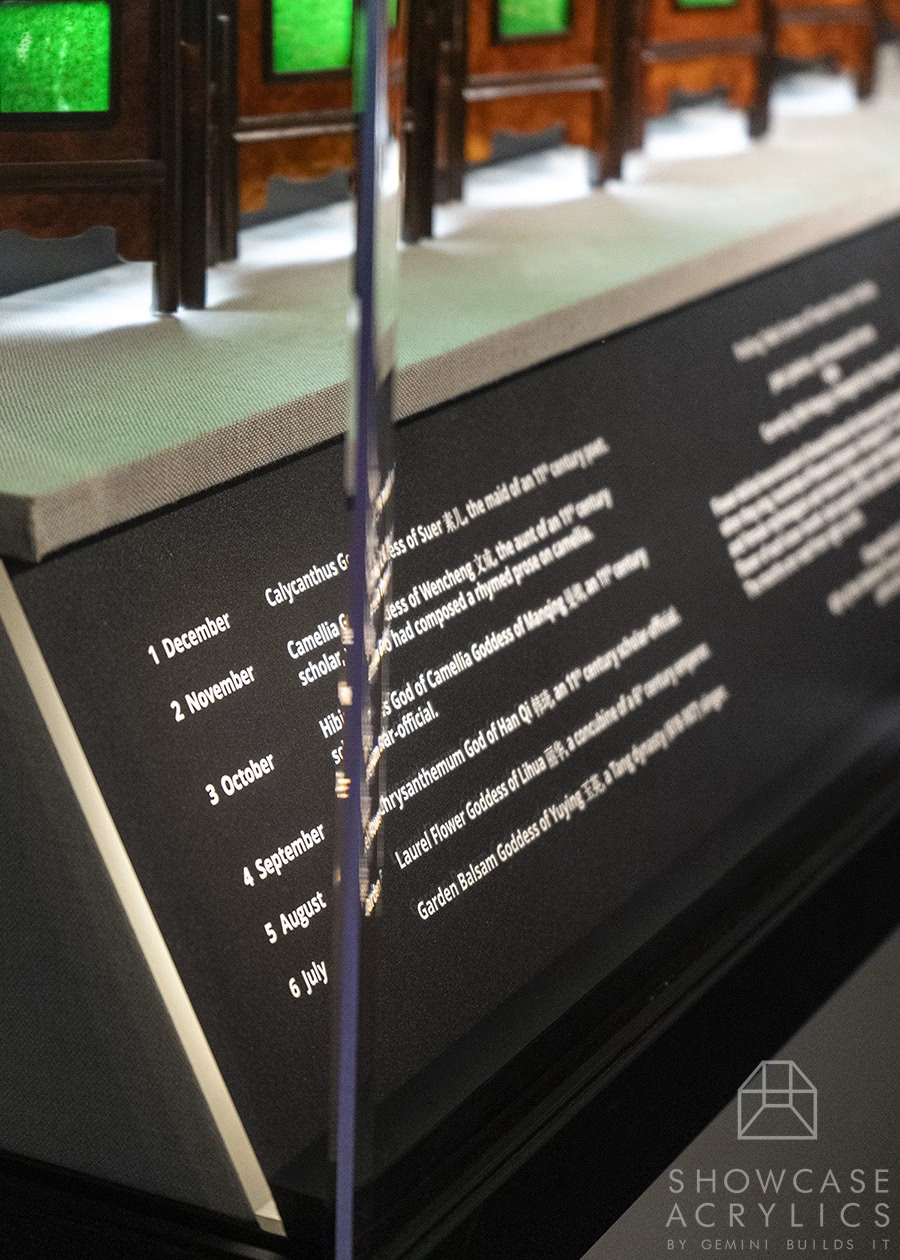
Later in the process, Lizzadro asked whether the riser could also integrate their label copy, the interpretive text that gives museum visitors context for what they are looking at. And whether that text could be backlit as well. The answer was yes, but it required a complete rethink of what the riser was doing structurally.
We designed the riser to be wrapped in linen fabric on the exterior, with a printed acrylic face panel on the front. Rather than printing the text directly, we used frosted acrylic and treated the text itself as negative space, so that the LED light behind it passes through the letterforms and illuminates the copy from within. The riser also became the housing for the lighting components, keeping the interior of the case clean and the mechanics invisible.
solving for heat before it became a problem
LEDs run cool by design, but when you are enclosing multiple light sources inside a sealed vitrine alongside a centuries-old object, the museum was right to think carefully about heat management. Rather than a standard sealed environment, they asked for a case that could breathe.
We added vent holes in the vitrine itself and designed a spacer for the back of the case that brings it off the wall, creating an additional channel for airflow behind the unit. It is the kind of detail that is invisible once the case is installed, but it is exactly the kind of problem-solving that protects a collection over the long term.
Our team handled the on-site installation as well, ensuring that every component, the lighting panel, the riser, the ventilation system, came together the way it was designed to.
![Display case housing a row of wooden frames with green illuminated panels in a museum exhibit, inside a glass enclosure.]','](https://geminibuildsit.com/wp-content/uploads/2026/07/Lizzadro-Custom-Backlit-Case-with-Linen-Riser-and-Printed-Acrylic-LED-Panel-4-Showcase-Acrylics.avif)
What this project is really about
Custom museum display cases are not a commodity. Every collection is different, every object has specific requirements, and every institution has standards that a standard case simply cannot meet. The Lizzadro project required a lighting integration, a structurally functional riser with backlit interpretive text, a ventilation system, and an on-site installation, all working together inside a single wall-mounted case.
That kind of layered problem-solving is what we do. Whether you are working with irreplaceable artifacts, unusual objects, or display requirements that have never quite been solved before, the best outcomes come from working with a partner who doesn’t stop problem-solving when the project gets more complicated.
